

 中文简体


A super green smoothie is not a single recipe, it is a formula. The formula that consistently works is 2 cups liquid + 2 cups leafy greens + 1.5 to 2 cups fruit + 1 tablespoon of a nutritional booster, blended in a specific order for 45 to 90 seconds. That is the direct answer to the question most readers actually have when they search for super green smoothie recipes: they want something that tastes genuinely good, stays thick and drinkable, and does not turn into a bitter, fibrous slurry by the time the glass is half empty.
This guide gives you the complete base system first, then 8 full recipes you can rotate across a month, then the blending and equipment decisions that decide whether your green smoothie comes out creamy or separated. If you only take away one practical rule, remember this: sweet fruit is the counterweight to bitter greens. A frozen banana and half a cup of mango or pineapple will balance a full two cups of raw spinach or kale better than honey ever will, because the fruit contributes body and coldness, not just sweetness.
What Actually Makes a Green Smoothie "Super"?
The word "super" in search results usually refers to one of three things: a higher concentration of leafy greens than a standard fruit smoothie, the presence of functional boosters like chia, flax, hemp, or ginger, and a nutrient profile that can stand in for a meal. A genuinely super green smoothie should deliver at minimum 5 to 8 grams of fiber, 3 to 6 grams of plant protein, and at least 50% of your daily vitamin K target in one serving, without relying on added sugar.
The ingredients that earn the "super" label are the ones that change both texture and nutrition at the same time. The table below summarizes the most useful additions, what they physically do to the smoothie, and the nutrient contribution that justifies including them.
| Ingredient | Textural or functional effect | Nutrient contribution |
|---|---|---|
| Baby spinach | Blends into a smooth puree with no grit; neutral taste | Vitamin K, folate, iron; roughly 7 mg iron per 100 g raw |
| Kale (curly or lacinato) | Sturdier leaf, needs longer blending; slightly peppery | Vitamin C, calcium, antioxidants; 80 mg vitamin C per 100 g |
| Avocado | Creates a creamy, mousse-like body without dairy | Monounsaturated fat, potassium, fiber; 10 g fiber per 100 g |
| Cucumber | Adds high-water content and a fresh, cooling finish | Hydration, silica, vitamin K; 95% water by weight |
| Celery | Lightly savory note, extra juice, crisp aroma | Vitamin K, potassium, low sugar; about 1 g sugar per stalk |
| Fresh ginger | Warming spice that masks bitterness in dark greens | Gingerol compounds, anti-nausea effect, negligible calories |
| Chia seeds | Gel in liquid and thicken the smoothie over 5 minutes | Omega-3, fiber; 4 g fiber per 10 g seeds, 16% daily calcium |
| Flaxseed (ground) | Emulsifying effect, subtle nutty flavor, thicker body | Lignans, omega-3, fiber; 12 g fiber per 100 g ground |
The Base Ratio That Works for Every Green Smoothie
Before you memorize individual recipes, learn this ratio. It is the same structural logic used across virtually every well-rated green smoothie formula: a liquid layer, a leafy layer, a sweet fruit layer, and a "cream" layer. If you keep the proportions inside these ranges, you can substitute almost any ingredient and still get a drinkable result.
- Liquid: 200 ml to 300 ml (about 1 to 1.25 cups) of water, coconut water, milk, or chilled tea
- Leafy greens: 60 to 80 g (roughly 2 packed cups) of spinach, kale, chard, or a mix
- Fruit: 150 to 200 g (1 to 1.5 cups) of frozen banana, mango, pineapple, berries, apple, or pear
- Cream element: 1/4 avocado, 1/3 banana, 2 tablespoons Greek yogurt, or 1 tablespoon nut butter
- Booster: 1 teaspoon chia, flax, hemp, ginger, or a small handful of mint
The ratio is forgiving, but three consistency problems come up repeatedly. The table below shows how to correct them on the spot without starting over.
| Symptom | Likely cause | Immediate fix |
|---|---|---|
| Too thick to pour | Not enough liquid or too much frozen fruit | Add 50 ml liquid and pulse 5 times |
| Soupy and thin | Too much liquid or no frozen component | Add 1/2 cup ice or 1/2 frozen banana |
| Bitter or earthy aftertaste | Dark greens overpowering the fruit | Add 1/2 mango, 3 pitted dates, or 1 tsp maple syrup |
8 Super Green Smoothie Recipes for Daily Rotation
These recipes are ordered from mildest to boldest. Every recipe serves one generous glass (about 400 to 500 ml) and takes under five minutes of active work. Nutrition estimates are based on standard USDA reference values for the listed ingredients and rounded to the nearest whole number.
1. Classic Mango-Pineapple Super Green
The gateway recipe. A proven flavor combination and contains only five whole ingredients.
- 240 ml coconut water
- 70 g baby spinach (about 2 packed cups)
- 1 frozen banana
- 90 g frozen mango chunks
- 80 g frozen pineapple chunks
- Pour the coconut water into the blender first.
- Add spinach, then banana, mango, and pineapple.
- Blend on high for 50 seconds, or until completely smooth.
Estimated per serving: 290 kcal, 6 g fiber, 4 g protein, 48 g natural sugar.
2. Creamy Avocado Kale Green
This is the thickest recipe in the list. The avocado replaces banana as the cream element while the green apple keeps the whole glass bright and tart.
- 240 ml unsweetened almond milk
- 60 g kale, stems removed (about 2 cups)
- 1/2 ripe avocado
- 1 small green apple, cored and cubed
- 1/2 cucumber, peeled
- Juice of 1/2 lime
- 1 tsp ground flaxseed
- Add almond milk, then kale, avocado, apple, cucumber, lime juice, and flaxseed.
- Blend for 60 seconds; kale needs slightly more time than spinach.
- If too thick, add 40 ml cold water and pulse.
Estimated per serving: 310 kcal, 11 g fiber, 5 g protein, 24 g natural sugar.
3. Tropical Cucumber Celery Green
A high-water, low-calorie option with a fresh green-tea base. Best consumed in the late morning or after a workout.
- 200 ml chilled brewed green tea
- 50 ml cold water
- 70 g spinach
- 1/2 cucumber, roughly chopped
- 1 celery stalk, chopped
- 1 frozen banana
- 80 g frozen pineapple
- 6 fresh mint leaves
- Add liquids, then greens, cucumber, celery, banana, pineapple, and mint.
- Blend on high 45 seconds.
- Taste; if the celery comes through too strongly, add 1/2 frozen banana and re-blend.
Estimated per serving: 240 kcal, 7 g fiber, 4 g protein, 42 g natural sugar.
4. Berry Spinach Protein Green
The highest-protein option in this list, designed to work as a post-workout refuel or a breakfast replacement for active mornings.
- 240 ml unsweetened oat milk
- 70 g spinach
- 100 g frozen mixed berries (strawberry, blueberry, raspberry)
- 1/2 frozen banana
- 1 scoop vanilla plant protein powder (about 25 g)
- 1 tbsp almond butter
- Combine all ingredients in the blender, liquid first.
- Blend 45 to 55 seconds; berries can leave small flecks, so check for smoothness.
- Add 40 ml more milk if the protein powder makes it stiff.
Estimated per serving: 380 kcal, 9 g fiber, 24 g protein, 30 g natural sugar.
5. Citrus Ginger Zinger
A bright, slightly spicy smoothie that uses Swiss chard or spinach and a serious knob of fresh ginger. The citrus cuts through any earthiness completely.
- 120 ml freshly squeezed orange juice
- 120 ml cold water
- 70 g Swiss chard or spinach
- 1 small orange, peeled and seeded
- 1/2 red grapefruit, peeled and seeded
- 1 tbsp fresh ginger, peeled
- 1/2 frozen banana
- 4 ice cubes
- Add orange juice, water, then the greens.
- Add orange, grapefruit, ginger, banana, and ice.
- Blend 50 seconds; the grapefruit pith can stay bitter, so peel thoroughly.
Estimated per serving: 270 kcal, 6 g fiber, 4 g protein, 52 g natural sugar.
6. Pear Mint Green
Pear brings a silky texture and gentle sweetness that pairs well with romaine or spinach. This is the mildest-tasting green smoothie of the eight.
- 240 ml coconut water
- 70 g romaine lettuce or spinach
- 1 ripe pear, cored and cubed
- 1/4 avocado
- 8 fresh mint leaves
- 1 tbsp lime juice
- 4 ice cubes
- Layer liquid, greens, pear, avocado, mint, lime juice, and ice.
- Blend 40 seconds, then taste.
- Add 1/2 frozen banana only if you want it sweeter and thicker.
Estimated per serving: 230 kcal, 8 g fiber, 3 g protein, 33 g natural sugar.
7. Green Apple Celery Detox Green
A savory-leaning smoothie with lemon and ginger. It is less "juice-like" than the others and works well when you want vegetables rather than dessert in a glass.
- 180 ml cold water
- 80 ml unsweetened apple juice
- 70 g spinach and kale mix
- 1 green apple, cored
- 2 celery stalks
- 1/2 lemon, peeled
- 1 tbsp fresh ginger
- Add water and apple juice first.
- Add the greens, apple, celery, lemon, and ginger.
- Blend 55 to 65 seconds; celery fibers need a few extra seconds to disappear.
Estimated per serving: 190 kcal, 5 g fiber, 3 g protein, 38 g natural sugar.
8. Chocolate Mint Greens
The dessert-style green smoothie. Cocoa masks almost all green flavor, which makes it a reliable choice for people who do not like vegetable-forward drinks.
- 240 ml unsweetened almond milk
- 70 g spinach
- 1 frozen banana
- 1 tbsp unsweetened cocoa powder
- 8 fresh mint leaves
- 1 tbsp hemp seeds
- 1 tsp maple syrup, optional
- Add milk, spinach, banana, cocoa, mint, hemp seeds, and maple syrup.
- Blend 45 seconds until glossy and thick.
- For an even richer texture, add 1/4 avocado before blending.
Estimated per serving: 290 kcal, 8 g fiber, 8 g protein, 33 g natural sugar.
The Correct Blending Order: Why It Changes Texture
The order in which you load the blender jar matters more than most recipe posts admit. If you place frozen fruit at the bottom and liquid on top, the blades start their work on a dense, solid mass, which can stall a lower-power motor and leave dry pockets of unblended powder. The correct sequence is: liquid first, then leafy greens, then soft or juicy produce, then frozen fruit, then powders and seeds last.
Liquid at the bottom creates an immediate vortex that pulls the greens down into the blade. Leafy greens are light and float, so they need to sit low in the jar; frozen fruit then acts as a weight that drives circulation. Powders such as protein, flax, or cocoa should go on top so they are not caked under the blades. If your blender came with a tamper, use it for the first 10 seconds on thick recipes, but never insert a utensil into a running blender.
A motor in the 700 W to 1200 W range makes the entire process more consistent. A higher-powered base crushes frozen fruit and fibrous greens in one pass, producing a smoother mouthfeel in roughly half the time. For a home kitchen, look for at least a 700 W motor with a 1.5 L glass jar, like the BL488B countertop blender, which pairs two adjustable speeds with a pulse function for ice crushing and frozen fruit handling.
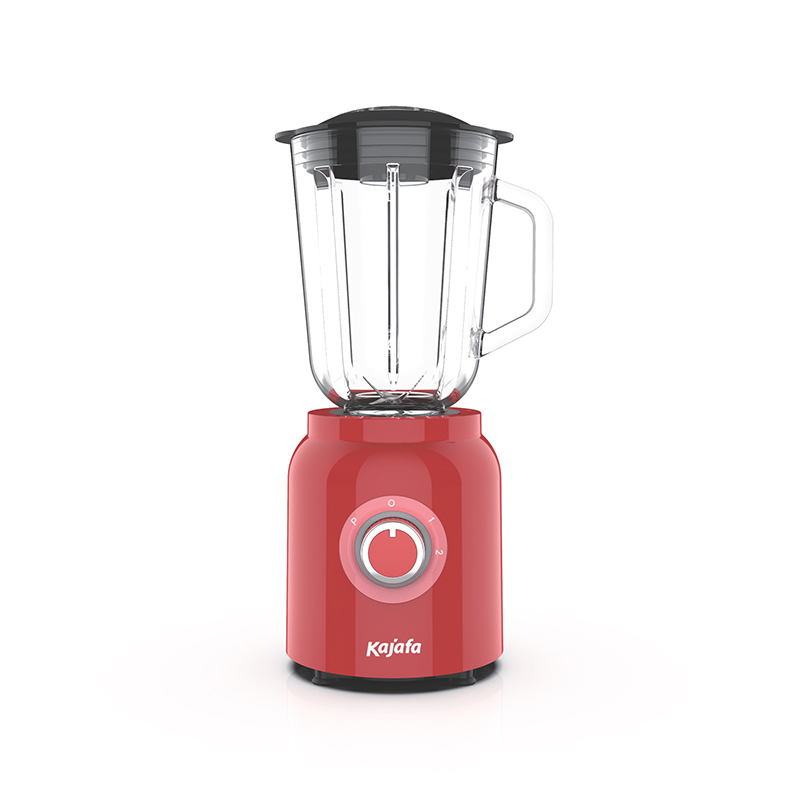 BL488B 700W Countertop Blender with 1.5L Glass Jar and Pulse FunctionThis 700W countertop blender with a 1.5L glass jar and two speeds plus pulse is a solid choice for handling fibrous greens and frozen fruit in one pass, matching the motor-power guidance above.View Product →
When you have a batch of tougher ingredients such as kale stalks, frozen mango, and ginger all in the same jar, the difference between a 500 W and a 1200 W machine shows up as visible texture. People who drink green smoothies daily consistently report that they spend less time chewing, or filtering, with a stronger motor. This is worth considering before buying any blender, because the motor power is the one specification you cannot upgrade later.
Choosing the Right Blender for Super Green Smoothies
When you make green smoothies several times a week, the blender is the single most important purchase decision. The practical checklist below comes from observing what actually fails in daily use, not from marketing specs.
- Motor power: 500 W minimum for leafy greens; 700 W to 1200 W recommended for frozen fruit and kale
- Jar material: glass resists odor and scratching from turmeric and ginger, but is heavier; BPA-free plastic is lighter for travel cups
- Jar capacity: 1.5 L for family batches, 500 to 700 ml single-serve cups for one glass
- Blade design: stainless steel, ideally 304 grade, with at least four blades at different angles
- Speed control: at least two speeds plus a pulse setting; more speeds give finer control over leafy textures
- Cleaning: removable blade assemblies and dishwasher-safe parts reduce the friction of daily use
For most households, a countertop model with a glass jar is the right default. It handles hot soup, frozen smoothie packs, and grinding tasks without absorbing smells. The BL456 series is a versatile option because the 2-in-1 configuration adds a 3 L grinding mill, useful for flaxseed or coffee, alongside the 1.5 L blending jar. If you plan to blend greens like this article on how a countertop blender preserves nutrients in fruits and vegetables, then a fixed glass-jar model with a 700 W motor is a sensible middle ground.
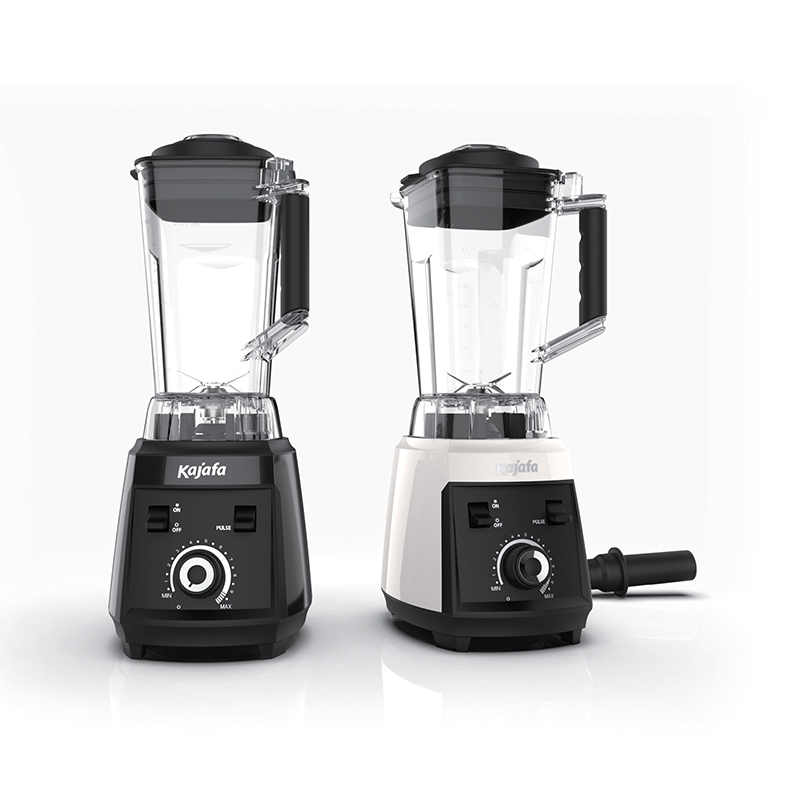 CB1216 1200W High-Power Countertop Blender with 2000ml Jar for Versatile TasksWith a 1200W motor and 2000ml capacity, this blender delivers the stronger performance highlighted in the previous paragraph, making it suitable for crushing ice, grinding, and blending tough ingredients smoothly.View Product →
There is also a strong case for a personal-size blender when you are the only person in the house drinking green smoothies, or when you want to blend directly into a travel cup and walk out the door. Personal blenders with a 300 to 500 ml cup handle single servings of soft fruit and spinach neatly, and they occupy far less counter space. The BL218AB personal blender illustrates this category: a compact base, a single-serve cup for shakes and smoothies, and a design that suits a small kitchen, an office desk, or a gym bag. As this guide to personal compact blenders explains, these small machines improve the experience of quick single-serve preparation because there is less washing and no oversized jar to fill.
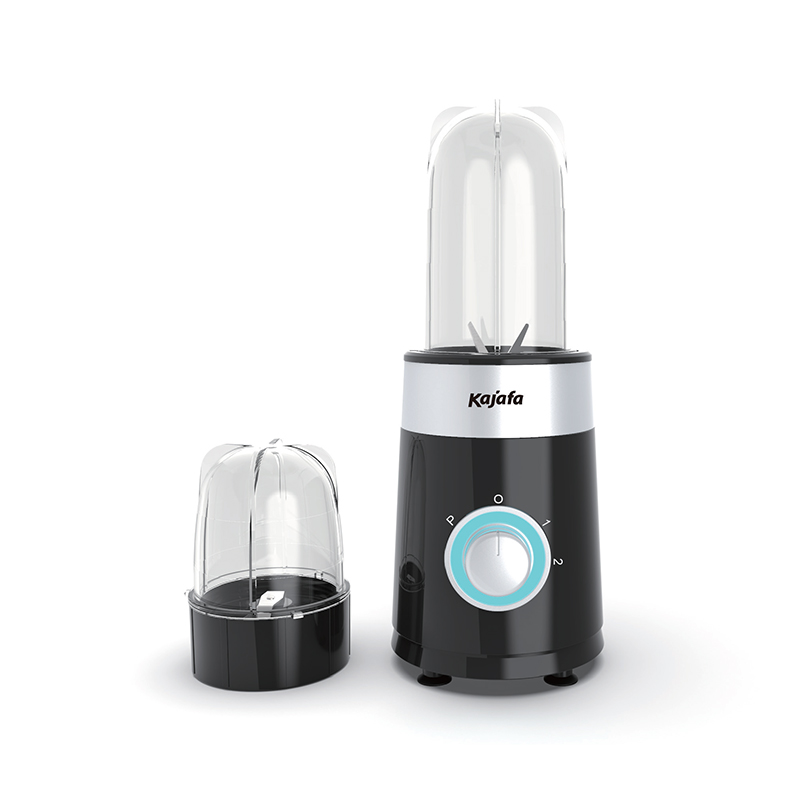 BL218AB Personal Blender with 300/500ml Cup for Single-Serve Shakes and SmoothiesThis compact personal blender with a 300/500ml cup is ideal for quick single-serve green smoothies, easy to fit on a desk or in a gym bag, and reduces cleanup compared to larger countertop models.View Product →
Meal Prep and Storage: Freeze First, Blend Later
The biggest practical barrier to daily green smoothies is morning friction. The solution is the freezer bag method: portion raw greens and fruit into individual zip-top bags, so each bag contains exactly one smoothie. In the morning you empty the bag into the blender, add liquid, and blend. This method keeps greens fresh for up to three months and cuts prep time to under two minutes.
A second approach is blending full batches and storing the finished drink. Prepared smoothies last in the fridge for 24 to 48 hours if stored in an airtight container, but expect a layer of separation; a quick shake or a 10-second re-blend fixes the texture. For longer storage, pour the smoothie into a freezer-safe bottle, leave 2 cm of headspace, and freeze for up to three months. Thaw overnight in the fridge, then shake vigorously.
| Storage form | Method | Safe window |
|---|---|---|
| Pre-portioned freezer packs | Raw greens + fruit sealed in zip-top bags | Up to 3 months in a standard freezer |
| Finished smoothie, refrigerated | Airtight bottle or jar with a tight lid | 24 to 48 hours |
| Finished smoothie, frozen | Freezer-safe bottle, 2 cm headspace | Up to 3 months |
| Blended greens as ice cubes | Puree greens with water, freeze in ice trays | Up to 2 months |
One note on freezing: bananas should be peeled, sliced, and frozen on a tray before bagging, or they stick together in one solid block. Berries and mango can go straight into the bag from frozen. Spinach freezes well as-is, but kale and chard benefit from being blanched for 30 seconds first, then squeezed dry, because this removes the enzyme that causes bitterness during long storage.
Nutrition Facts Across the Eight Recipes
The table below makes it easy to choose a recipe by target goal. If you want the lowest calorie option, choose the Green Apple Celery Detox; if you want the highest protein, choose the Berry Spinach Protein Green; and if you want the most fiber, the Creamy Avocado Kale Green wins by a wide margin.
| Recipe | Calories | Fiber (g) | Protein (g) | Natural sugar (g) |
|---|---|---|---|---|
| Classic Mango-Pineapple | 290 | 6 | 4 | 48 |
| Creamy Avocado Kale | 310 | 11 | 5 | 24 |
| Tropical Cucumber Celery | 240 | 7 | 4 | 42 |
| Berry Spinach Protein | 380 | 9 | 24 | 30 |
| Citrus Ginger Zinger | 270 | 6 | 4 | 52 |
| Pear Mint Green | 230 | 8 | 3 | 33 |
| Green Apple Celery Detox | 190 | 5 | 3 | 38 |
| Chocolate Mint Greens | 290 | 8 | 8 | 33 |
Natural sugar values here come entirely from whole fruit and juice, not added sugar. If you are watching your sugar intake, the two recipes with the lowest total sugar are the Creamy Avocado Kale Green at 24 g and the Green Apple Celery Detox at 38 g. Replacing half the orange juice in the Citrus Ginger Zinger with water drops its sugar from 52 g to roughly 35 g with only a small loss of flavor.
Common Green Smoothie Problems and Exact Fixes
After hundreds of batches, the same complaints appear: separation, bitterness, foam, and grit. Each has a mechanical cause and a mechanical fix. The table below summarizes the problem, the cause, and the precise correction, ordered from most to least common.
| Problem | Root cause | Exact correction |
|---|---|---|
| Separates within 10 minutes | Not enough fiber or insoluble solids to emulsify the liquid | Add 1 tbsp chia seeds or 1/4 avocado and re-blend 20 seconds |
| Foamy top layer | Blending too fast on high speed for too long | Blend on medium speed for the last 15 seconds, or tap the jar gently |
| Gritty or grainy mouthfeel | Kale stems, chia seeds, or flax seeds not fully broken down | Remove kale stems; soak chia in liquid for 10 minutes before blending |
| Bitter finish | Overpowering proportion of dark greens or grapefruit pith | Add 3 pitted dates or 1/2 cup pineapple and re-blend |
| Blender stalls or motor strains | Frozen fruit packed below the blades with no liquid at the base | Always liquid first; if stalled, add 60 ml liquid, pulse, then blend |
Temperature also changes the finished texture. A smoothie blended with room-temperature greens and fresh fruit will be noticeably thinner than one made with frozen fruit. For a thick, frosty result, make sure at least half of the total fruit volume is frozen. If you want a thinner, juice-like drink, use more cucumber, celery, or liquid and skip the ice entirely.
Frequently Asked Questions About Super Green Smoothies
Can I drink a super green smoothie every day?
Yes, for most healthy adults, one daily serving is safe and practical. The concerns that sometimes get raised involve oxalates in spinach, which matter mainly for people with a history of kidney stones, and vitamin K in kale, which can interact with blood-thinning medication. For general use, rotate your greens: spinach one day, kale the next, chard or romaine after that, and the variety itself reduces any single nutrient issue.
Is spinach or kale better for a green smoothie?
Spinach blends faster and has a milder flavor, so it is the better choice for beginners and for recipes where you want the fruit to lead. Kale has more fiber and a stronger peppery note, so it pairs better with avocado, pineapple, or citrus. If you use kale, remove the woody stems and blend for at least 60 seconds. Many daily smoothie drinkers use a 50/50 mix of both.
How do I make a green smoothie without a high-speed blender?
Use softer greens like spinach or romaine, chop all produce into smaller cubes, add liquid first, and blend in two stages: 20 seconds on low, then 30 seconds on the highest speed your blender offers. If the motor struggles, add 50 ml more liquid and use frozen fruit only in small portions. A 500 W motor can handle green smoothies, it just takes 10 to 15 seconds longer and produces a slightly grainier texture.
Can I prep super green smoothies ahead of time?
Yes. The best method is portioning raw greens and fruit into individual freezer bags, so each bag is one future smoothie. This works for up to three months. Blended smoothies keep 24 to 48 hours in the refrigerator, but they separate, and you will need to shake or re-blend before drinking. Freezing finished smoothies for more than a week is possible but the texture degrades noticeably after thawing.
Do super green smoothies help with weight management?
They can, but only when the portion is controlled. A 400 to 500 ml green smoothie made from whole fruit and greens typically contains 230 to 380 kcal, which makes it a reasonable meal replacement for breakfast. The fiber content of 5 to 11 g per serving slows digestion and increases satiety compared with drinking fruit juice alone. The trap is when smoothies become dessert drinks: large bananas, multiple tablespoons of nut butter, honey, and juice can push a single glass past 600 kcal. Measure the liquid base and keep the fruit to about 200 g per serving.
How much fruit is too much in a green smoothie?
From a blood sugar perspective, a practical upper limit is around 30 to 40 g of natural sugar per serving, which equals roughly one banana plus one cup of mango, or one banana plus half a cup of pineapple and half a cup of berries. The recipes in this guide stay within that range, except for the Citrus Ginger Zinger at 52 g, which relies on orange and grapefruit juice. If you want a lower-sugar version of that recipe, replace half the orange juice with water.


